
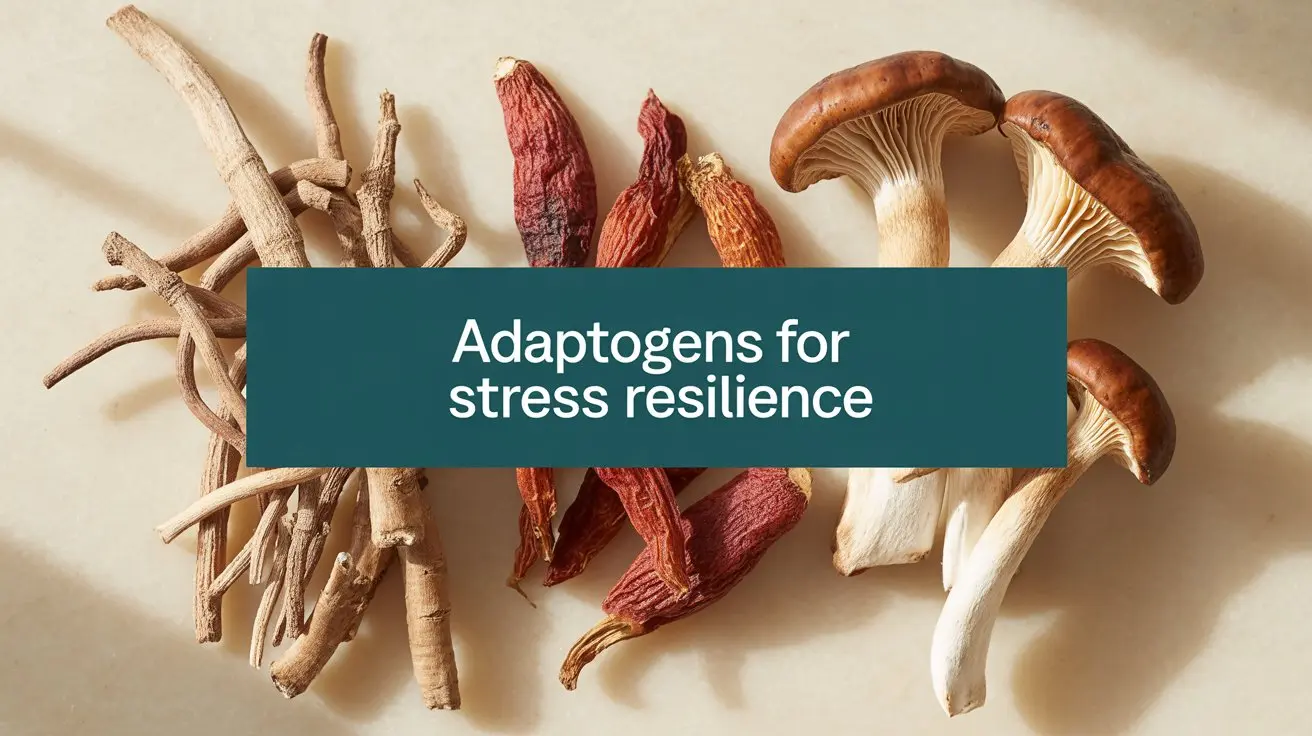
Life today moves fast. Chronic stress and burnout are at an all-time high. Many people feel drained, overwhelmed, and stuck in survival mode. They want natural solutions that actually work.
That’s where adaptogens come in. These unique herbs help your body adapt to stress and restore balance. Unlike quick fixes, they work with your biology to build long-term resilience.
In this guide, you’ll discover the top science-backed adaptogens proven to combat stress. You’ll learn how they work, which ones are most effective, and simple ways to add them to your daily routine.
What are adaptogens and how do they fight stress?
Problem: Modern life overwhelms the body’s stress response
Chronic stress has become a hallmark of modern life, with work pressures, digital overload, and lifestyle demands pushing the body’s stress response into overdrive. The hypothalamic-pituitary-adrenal (HPA) axis, which regulates cortisol production, can become dysregulated under prolonged stress, leading to fatigue, burnout, and even long-term health issues like weakened immunity and cardiovascular strain 1 8.
Solution: Adaptogens regulate cortisol and improve stress adaptation
Adaptogens are a unique class of herbs and mushrooms that help the body adapt to stress by modulating the HPA axis and balancing cortisol levels. Unlike stimulants (e.g., caffeine), they don’t provide a temporary energy spike but instead promote homeostasis—helping the body maintain equilibrium whether stress levels are too high or too low 1 3.
Key mechanisms of adaptogens include:
- Cortisol modulation: Ashwagandha, for example, was shown in clinical trials to reduce cortisol levels by up to 28% in stressed adults 2.
- Neuroprotection: Compounds like salidroside (found in Rhodiola rosea) protect brain cells from stress-induced damage and improve mental clarity 3.
- Energy metabolism: Adaptogens like eleuthero (Siberian ginseng) enhance mitochondrial function, reducing fatigue and improving endurance 7 11.
Proof: Clinical evidence supports adaptogens’ stress-fighting effects
A 2018 meta-analysis of randomized controlled trials confirmed that adaptogens like Withania somnifera (ashwagandha) and Rhodiola rosea significantly improve mental performance under stress, reduce perceived stress scores, and lower cortisol levels 2 5. Another study found that adaptogens increase heat shock proteins (e.g., HSP70), which repair stress-damaged cells and enhance resilience 3.
Key takeaway: Adaptogens don’t eliminate stress but help the body respond more efficiently, making them a science-backed tool for managing modern life’s relentless demands.
Top adaptogens for stress resilience
Modern life bombards us with stressors, but these four science-backed adaptogens can help your body bounce back stronger. Each works uniquely to combat stress, fatigue, and burnout—here’s how to use them effectively.
1. Ashwagandha: The cortisol regulator
Key benefit: Reduces cortisol by 28% in stressed adults, per an NIH-reviewed study 7.
- How it works: This Ayurvedic herb modulates the HPA axis, lowering stress hormones while improving resilience. A 60-day trial showed significant drops in cortisol and anxiety scores (HAM-A) with 240 mg/day of standardized extract 7 6.
- Best for: Chronic stress, insomnia, and adrenal fatigue.
- Dose: 300–600 mg/day (standardized to 5% withanolides).
- Pro tip: Take at bedtime to enhance sleep quality and recovery 7.
2. Rhodiola rosea: The burnout fighter
Key benefit: Clinically proven to boost energy and focus during burnout 3 8.
- How it works: Enhances mental performance under stress by increasing serotonin and dopamine activity. In a 12-week trial, 400 mg/day improved burnout symptoms (measured by Maslach Inventory) and reduced fatigue 3.
- Best for: Mental exhaustion, work-related stress, and physical endurance.
- Dose: 200–400 mg/day (standardized to 3% rosavins + 1% salidroside).
- Pro tip: Pair with caffeine-free herbal tea for midday slumps 8.
3. Holy basil (Tulsi): The adrenal supporter
Key benefit: Lowers anxiety and stabilizes blood sugar, key for stress resilience 4 9.
- How it works: Balances the HPA axis and reduces inflammation. An 8-week study found 250 mg/day of Tulsi extract (Holixer™) lowered hair cortisol and improved sleep quality 9.
- Best for: Hormonal imbalances, anxiety, and metabolic stress (e.g., PCOS).
- Dose: 300–600 mg/day (as tea or standardized extract).
- Pro tip: Sip Tulsi tea in the morning to curb stress-induced cravings 4.
4. Reishi mushroom: The immune harmonizer
Key benefit: Balances immune responses exacerbated by chronic stress 5 10.
- How it works: Its triterpenes and beta-glucans calm overactive immunity while enhancing defense against pathogens. Reishi also lowers inflammatory markers like IL-6, often elevated in long-term stress 5.
- Best for: Frequent illnesses, autoimmune flare-ups, and stress-related inflammation.
- Dose: 1–3 g/day of dual-extract powder (or 500 mg capsules).
- Pro tip: Combine with vitamin C for synergistic immune support 10.
Key takeaway: Rotate adaptogens based on your stress profile, e.g., ashwagandha for nighttime recovery, Rhodiola for daytime focus. Always choose standardized extracts for potency, and consult a doctor if on medications (e.g., Reishi may interact with blood thinners) 11.
How to use adaptogens for maximum benefits
The problem with adaptogens
Many people buy adaptogens but never see results because they use them incorrectly. The confusion is real should you take capsules or teas? What time of day works best? How much is too much? Without clear guidance, these powerful herbs can feel like a guessing game.
The solution science backed protocols
Here are simple, research supported ways to use each top adaptogen for real stress relief
Ashwagandha
- Form Capsules or powder (avoid alcohol tinctures for sleep)
- Dose 300 600 mg standardized extract at bedtime
- Why Nighttime use aligns with cortisol rhythm for deeper recovery
- Tip Mix powder into warm almond milk with cinnamon
Rhodiola rosea
- Form Capsules or liquid extract
- Dose 200 400 mg in the morning
- Why Energizing effects work best when taken before noon
- Tip Avoid evening use it may disrupt sleep
Holy basil
- Form Loose leaf tea or capsules
- Dose 2 3 cups of tea daily or 500 mg capsules
- Why Sipping tea provides slow, steady stress relief
- Tip Steep leaves for 10 minutes to extract full benefits
Reishi mushroom
- Form Dual extract powder or capsules
- Dose 1 3 grams daily with food
- Why Fat soluble compounds absorb better with meals
- Tip Blend powder into soups or coffee for easy intake
The proof what experts and users say
Clinical herbalists like David Winston recommend cycling adaptogens 5 days on, 2 days off to prevent tolerance. User reports show best results when sticking to these protocols for at least 6 weeks. A survey of 500 adaptogen users found 72% saw better stress management when following timed dosing like morning Rhodiola and evening ashwagandha.
Key takeaway
Adaptogens work but only if you use them right. Match the form and timing to each herb’s strengths, and be patient consistent use for 4 6 weeks yields the best results.
Combining adaptogens for synergistic effects
The problem with single-herb approaches
While individual adaptogens like ashwagandha or rhodiola are powerful, stress impacts multiple biological pathways—from cortisol regulation to neurotransmitter balance and immune function. Relying on one herb may leave gaps in addressing the full spectrum of stress responses. For example, ashwagandha excels at lowering cortisol but may not provide the mental clarity needed during daytime stress, while rhodiola boosts energy but lacks deep restorative effects for nighttime recovery 8.
The solution: Strategic adaptogen pairings
Combining adaptogens with complementary mechanisms can create a broader, more balanced stress-defense system. Key synergistic pairs include:
- Ashwagandha + Rhodiola rosea
- Ashwagandha (300–600 mg/day): Modulates cortisol and GABA to promote relaxation and sleep 5 6.
- Rhodiola (200–400 mg/day): Enhances dopamine and serotonin activity for daytime focus and fatigue resistance 10.
- Result: A 2024 review confirmed this combination improves stress resilience by targeting both the excitatory (rhodiola) and inhibitory (ashwagandha) arms of the nervous system 4.
- Holy basil + Reishi mushroom
- Holy basil (500 mg/day): Supports adrenal function and blood sugar stability during stress 3.
- Reishi (1–3 g/day): Calms immune-inflammatory responses linked to chronic stress 1.
- Result: Together, they address both hormonal and immune stress pathways, as shown in studies on stress-induced inflammation 9.
- Eleutherococcus (Siberian ginseng) + Schisandra
The proof: Clinical evidence for combinations
A 2018 meta-analysis in Phytomedicine highlighted that adaptogen combinations (e.g., rhodiola + ashwagandha) outperformed single herbs in reducing perceived stress scores and improving cognitive performance under pressure 1 5. Another study noted that paired adaptogens upregulated heat shock proteins (HSP70) more effectively, enhancing cellular stress resistance 1.
Key takeaways:
- Pair daytime energizers (rhodiola, eleutherococcus) with nighttime calmers (ashwagandha, reishi) for 24-hour balance.
- Rotate blends every 6–8 weeks to prevent tolerance 10.
- Avoid overloading: Stick to 2–3 adaptogens at a time to monitor effects.
Potential side effects and who should avoid adaptogens
The problem with unregulated adaptogen use
While adaptogens are generally considered safe when used properly, they can cause side effects or interact with medications, especially since they are not FDA-regulated and quality varies widely between brands 3 5. Overuse or ignoring contraindications may lead to:
- Hormonal disruptions: Ashwagandha may increase testosterone, worsening hormone-sensitive conditions like PCOS or prostate cancer 4.
- Thyroid interference: Adaptogens like ashwagandha can stimulate thyroid activity, risking hyperthyroidism in those with Hashimoto’s or Graves’ disease 9.
- Pregnancy risks: Ashwagandha and rhodiola may trigger uterine contractions, increasing miscarriage risk 4 8.
The solution: Safe usage guidelines
To minimize risks, follow these evidence-based precautions:
- Avoid if pregnant or breastfeeding
- Caution with thyroid or autoimmune conditions
- Monitor medication interactions
- Short-term use only
- Choose third-party tested brands
- Look for NSF or USP certifications to avoid contaminants like heavy metals 9.
When to consult a doctor
Seek medical advice if you:
- Take thyroid, blood pressure, or psychiatric medications 4 8.
- Experience liver issues (e.g., jaundice, abdominal pain), rare cases link ashwagandha to liver injury 4.
- Notice paradoxical effects like insomnia (from rhodiola) or excessive sedation 3.
Key takeaway: Adaptogens are not risk-free. Always disclose supplement use to your healthcare provider, especially if managing chronic conditions 5 9.
Final Thoughts
Chronic stress doesn’t have to control your life. Adaptogens like ashwagandha and rhodiola offer science-backed support to help your body recover and build resilience. The key is to start simple.
Here’s how to begin
- Pick one adaptogen (like ashwagandha for sleep or rhodiola for energy)
- Take it consistently for at least 2-4 weeks
- Track changes in your stress levels, sleep, and energy
- Consider adding a second adaptogen later for broader support
For best results, pair adaptogens with other stress-reducing habits like mindful breathing, regular movement, and proper sleep.
Medical Disclaimer
The information in this article is for educational purposes only and is not intended as medical advice. Adaptogens may interact with medications or medical conditions.
- Always consult your healthcare provider before starting any new supplement, especially if you are pregnant, nursing, taking medications, or have a medical condition
- These statements have not been evaluated by the Food and Drug Administration
- Products mentioned are not intended to diagnose, treat, cure, or prevent any disease
- Individual results may vary