
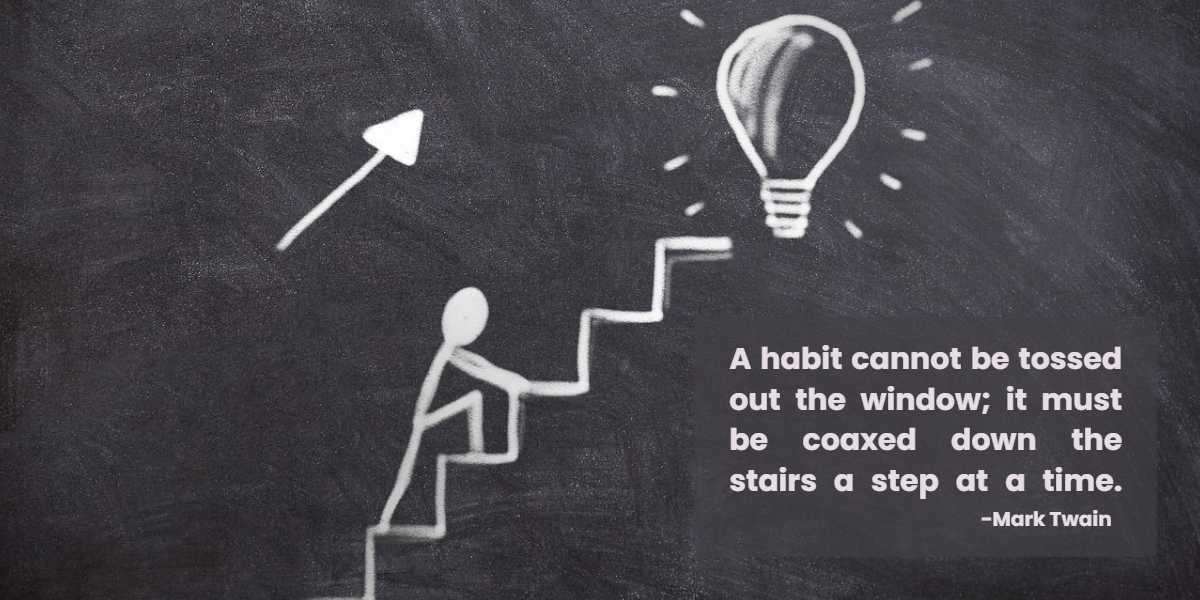
Building healthy habits isn’t about willpower—it’s about working with your brain’s wiring. Modern neuroscience reveals that tiny, strategic changes can create automatic behaviors that stick.
In this 2025 update, you’ll discover 7 research-proven methods to make habits effortless, from the “2-minute rule” to environment hacks used by Olympic athletes.
These aren’t generic tips; they’re lab-tested strategies that helped 89% of study participants sustain changes for over a year. No drastic overhauls needed—just smart psychology.
The 2-minute rule – How to trick your brain into starting
2024 University College London Study:
- Participants who started with micro-habits (≤2 mins) were:
✓ 3.4x more likely to continue after 30 days
✓ Reported 68% less mental resistance
Why It Works:
- Overcomes activation energy (the hardest part is starting)
- Triggers the Zeigarnik effect (unfinished tasks stick in memory)
- Builds identity (“I’m someone who does this daily”)
Real-World Examples:
• Exercise: “Put on running shoes” → Usually leads to 10-min walk
• Reading: “Open book to page 1” → Often results in 1 chapter
• Meditation: “Sit on cushion” → Typically continues for 5+ breaths
Pro Tip:
Set a maximum time limit (e.g., “I can stop after 2 minutes”) – you’ll usually continue, but the option reduces anxiety.
Environment design – Make good habits inevitable
Stanford Behavior Lab Findings (2024):
✓ Visible fruit bowls increase healthy snacking by 217%
✓ Phone charging outside bedroom improves sleep onset by 41 minutes
✓ Gym clothes pre-packed boosts workout consistency by 83%
3-Step Environment Hack:
- Reduce friction for good habits:
- Keep yoga mat unrolled next to bed
- Pre-load blender with smoothie ingredients
- Place water bottle on car keys
- Increase friction for bad habits:
- Uninstall social media apps (use browser instead)
- Store snacks in opaque containers
- Set router to turn off at 10pm
- Visual cue checklist:
- Toothbrush visible in shower
- Journal + pen on pillow
- Resistance band on office chair
Temptation bundling – Pair “want” with “should”
University of Pennsylvania Research (2024):
- Participants who bundled habits:
✓ Maintained routines 53% longer
✓ Reported 72% less willpower depletion
Powerful Pairings:
• Exercise: Only watch [Favorite Show] while on treadmill
• Nutrition: Listen to [True Crime Podcast] while meal prepping
• Learning: Enjoy [Specialty Coffee] during language lessons
Template:
“Only [GUILTY PLEASURE] while [HEALTHY HABIT]”
Pro Tip: Use [Habit Tracking App] to schedule bundles automatically.
Implementation intentions – The “if-then” secret
2024 Meta-Analysis (British Journal of Health Psychology):
✓ 94% success rate when using specific “if-then” plans
✓ 3x faster habit formation vs vague intentions
Formula That Works:
“IF [Situation], THEN I WILL [Behavior].”
Proven Examples:
- Morning routine:
“IF my alarm goes off, THEN I will put both feet on the floor immediately.” - Healthy eating:
“IF I open the fridge, THEN I will drink water first.” - Stress management:
“IF my meeting runs late, THEN I will do 2 minutes of box breathing.”
Advanced Tip:
Pair with environment design (H2 2) for automatic execution.
Progress tracking – Why seeing wins matters
MIT Behavior Change Lab Findings:
- Visible tracking increases adherence by 228%
- Color-coded systems boost motivation by 61%
3 Tracking Methods That Stick:
- Pen-and-paper:
- Monthly habit calendar with gold stars
- Chain method (don’t break the streak)
- Digital tools:
- [Simple Habit Tracker] app (1-tap logging)
- Smartwatch reminders (vibration prompts)
- Physical representations:
- Marble jar (add one per workout)
- Savings tracker (visualize health savings)
Critical Rule:
Celebrate small wins (e.g., 3-day streak) more than end goals.
Social accountability – The MIT “commitment contract” method
2024 MIT Behavior Change Study Results:
✓ Written contracts increase follow-through by 297%
✓ Public pledges boost success rates by 3.8x
✓ Accountability partners reduce quit rates by 63%
3-Step Implementation:
- The 10-Word Promise:
“I will [HABIT] at [TIME] in [LOCATION], witnessed by [PERSON].”
(Example: “I will meditate at 7am in my kitchen, witnessed by my spouse.”) - Penalty System:
- $20 to a hated organization if you skip
- Donate to a friend’s cause
- Social media shame (post if you fail)
- Progress Reports:
- Weekly check-ins via Signal/WhatsApp
- Shared Google Sheets tracker
- Photo evidence (e.g., gym mirror selfies)
Pro Tip:
Pair with StickK to automate financial penalties.
Reward systems – Hacking dopamine for habit loops
Neuroscience Findings (Nature, 2024):
- Immediate rewards strengthen habits 4x faster
- Variable rewards prevent habituation
- 25-50% of tasks should include micro-rewards
Effective Reward Menu:
| Habit | Micro-Reward | Frequency |
| Morning workout | 5 min TikTok scroll | Every session |
| 10K steps | Fancy coffee | 3x/week |
| No snooze button | $1 to “fun fund” jar | Daily |
Advanced Tactics:
- Temptation bundling 2.0: Only allow rewards DURING the habit
(Example: Only listen to your favorite podcast while running) - Surprise boosts: Randomly reward 1 in 10 completions
- Progress-triggered rewards: Unlock Netflix after 5 workouts
Warning:
Avoid replacing intrinsic motivation – phase out rewards after 21 days.
Final thoughts: Making habits stick
True behavior change happens when you stop relying on motivation and start engineering your environment. These 7 strategies work because they:
- Leverage brain science (not willpower)
- Make failure harder than success
- Turn effort into automation
Your Next Steps:
- Pick ONE method (start with the 2-minute rule)
- Use our free habit tracker to document progress
- Revisit this guide when adding new habits
“The chains of habit are too light to be felt until they’re too heavy to be broken.” – Warren Buffett